Detection of Chemical Contaminants in Cosmetic Packaging Through Advanced Extraction Techniques
Keywords:
Chemical Contaminants, Cosmetic Packaging, Advanced Extraction Techniques, Bisphenol A (BPA).Abstract
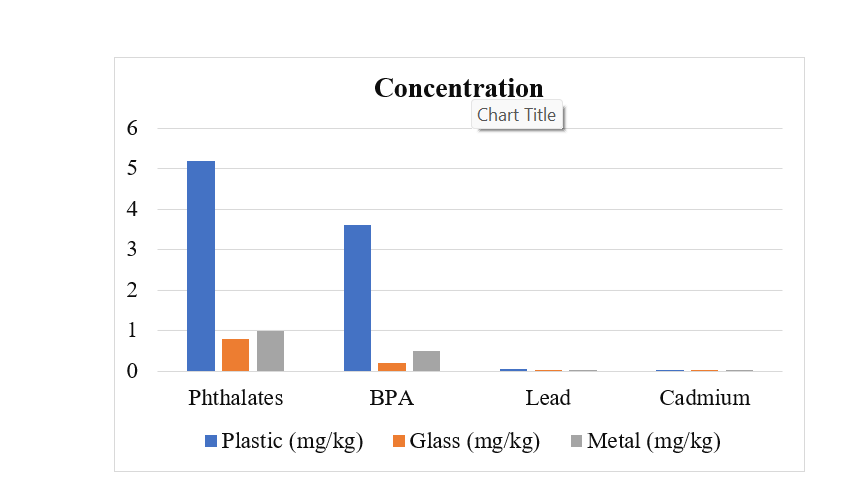
The study focused on chemical contaminants in cosmetic packaging materials, made from plastic, glass, and metal, focusing on the phthalates, bisphenol A (BPA), lead, and cadmium contaminants found within these. Advanced extraction techniques would be used for the analysis. This research aims to understand at what levels of concentration these contaminants were present in packaging materials and the sensitivity of extraction techniques such as solid-phase extraction, liquid-liquid extraction, and solid-phase microextraction. The findings pointed out that contamination levels in plastic packaging were more significant than in glass and metal packaging, where phthalates and BPA were highly prominent. The heavy metals, lead and cadmium, showed relatively lower contamination in all packaging types, with the highest levels recorded in metal packaging. By statistical analysis, the differences for contaminant concentrations between the materials were confirmed to be significant, with plastic being the prime source of chemical leaching. Thus, this report emphasizes the use of advanced extraction methods and the need for safer alternatives for packaging in cosmetics to minimize possible health issues to the consumer. The results are beneficial input for regulatory agencies as well as the cosmetic industry toward achieving packaging safety and quality control.