Green Chemistry Approaches in Organic Synthesis: A Review of Sustainable Methods
DOI:
https://doi.org/10.64062/IJPCAT.Vol2.Issue2.2Keywords:
- Green Chemistry, Organic Synthesis, Sustainable Methods, Animal Studies, Biocompatibility, Green Solvents, Biocatalysis, Toxicity Evaluation
Abstract
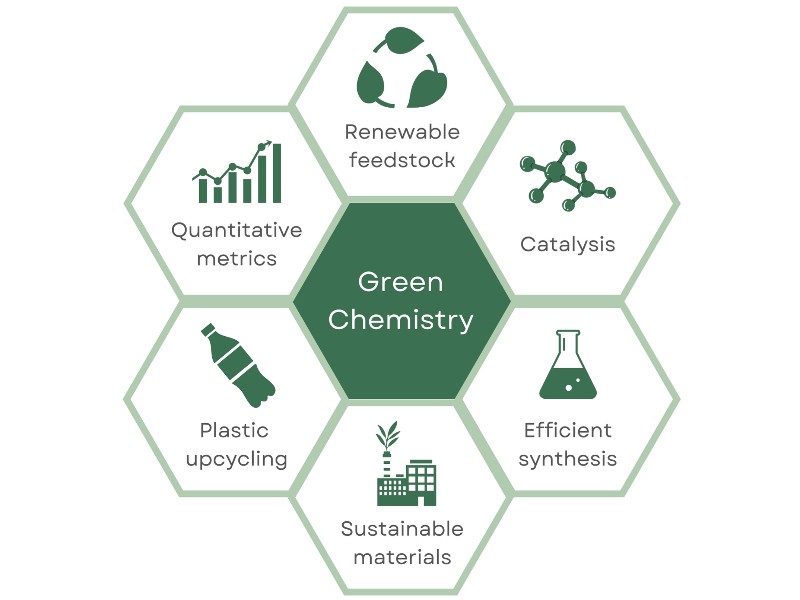
Green chemistry has become a revolutionary and sustainable practice in organic synthesis with the goal of minimizing environmental impact and maximizing the safety, efficiency and the overall quality of chemical reactions. This review thoroughly reviews different green synthetic techniques that include use of eco-friendly solvents, biocatalysis, microwave- and ultrasound-assisted techniques, green catalysts, and specifically how they have been validated using animal-based studies. Preclinical evidence with mice, rats, and zebrafish show that compounds produced via green methodologies have much lower acute and chronic toxicity, increased biocompatibility, and better pharmacological profiles than those generated via conventional methodologies. Aspiratory in vivo examination methods including toxicity, pharmacokinetic profiling, histopathology, biochemical and behavioural analysis give a comprehensive insight into the biological interactions and safety profiles of these compounds. Moreover, the application of green chemistry principles such as atom economy, minimization of waste, and energy efficiency helps to decrease the harmful by-products and help to create safer chemical entities. Although these benefits exist, issues like the fact that the protocol is not yet standardized to synthesize these materials, differences in results of the experimental results and scanty long-term toxicity evidence especially in nano-catalysts and other emerging green materials are also of concern. In general, this review highlights the great importance of green chemistry in achieving balance between environmental sustainability and innovation in biomedical fields as a promising avenue of creating effective, environmentally friendly and biologically safe organic compounds.
References
Downloads
Published
Issue
Section
License
Copyright (c) 2026 This is an Open Access article distributed under the terms of the Creative Commons Attribution (CC BY NC), which permits unrestricted use, distribution, and reproduction in any medium, as long as the original authors and source are cited. No permission is required from the authors or the publishers. (https://creativecommons.org/licenses/by-nc/4.0/)

This work is licensed under a Creative Commons Attribution 4.0 International License.